EVA vs PU Foam Toolbox Inserts: Key Features and Applications for B2B Buyers
Introduction
When sourcing foam inserts for toolboxes, packaging, or protective gear, choosing the right material is critical. Two of the most common options are EVA (Ethylene Vinyl Acetate) foam and PU (Polyurethane) foam. Both materials provide protection and cushioning, but their performance and applications differ significantly. In fact, many toolboxes use both materials together: PU foam in the lid for cushioning and EVA foam in the base for precision-fit tool placement.
EVA Foam: Durable and Versatile
Features: Lightweight yet resilient, EVA is waterproof, highly durable, and maintains shape under pressure. As a closed-cell foam, it resists moisture, delivers strong shock absorption, and offers long-term performance even in demanding conditions.
Applications:
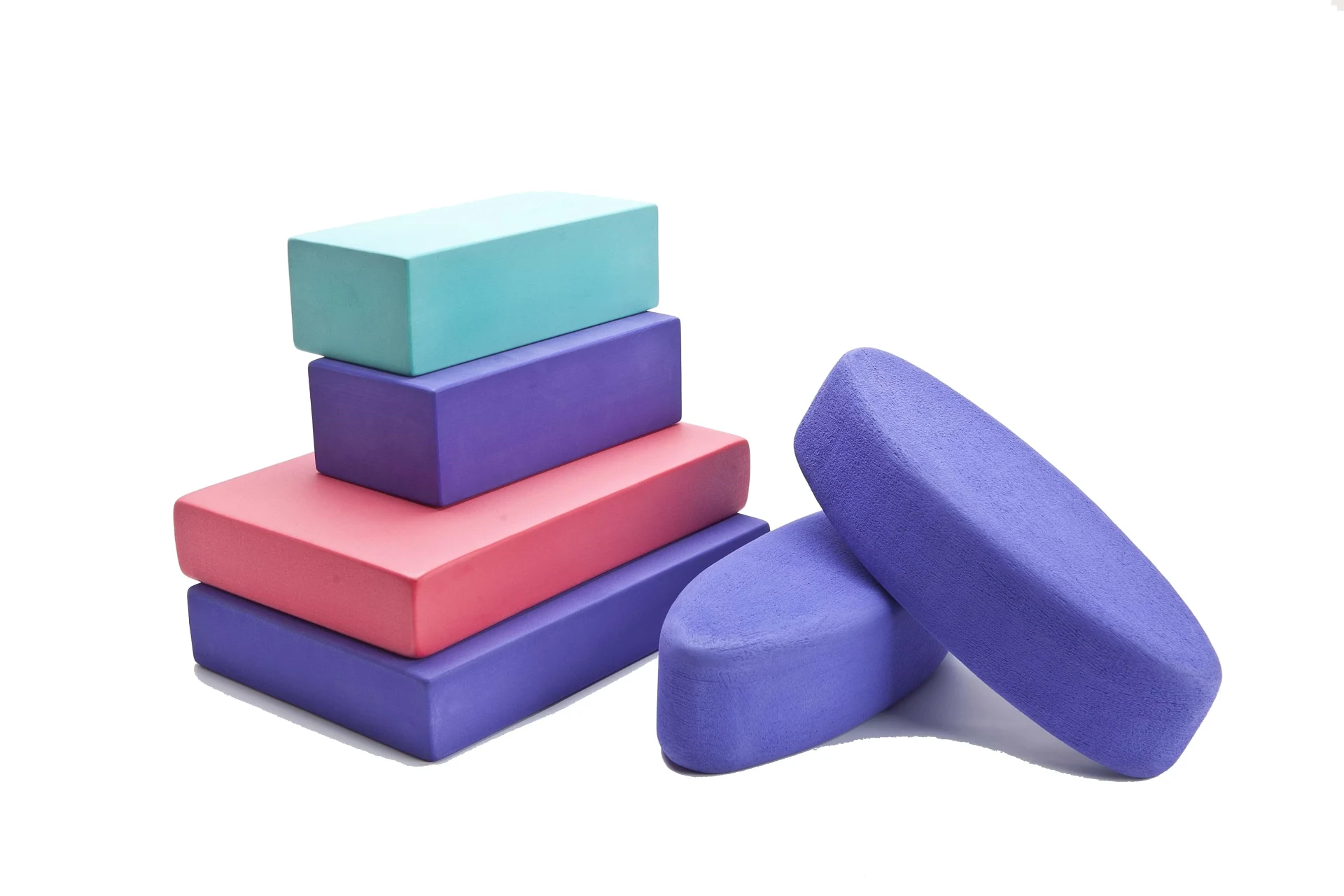
- Yoga blocks and exercise mats
- Shoe soles and insoles
- Precision-cut toolbox inserts
- Protective pads for sports and industrial gear
Best Fit: Premium products, professional-grade inserts, and applications where durability and moisture resistance are essential.
PU Foam: Flexible and Cost-Effective
Features: Soft, compressible, and budget-friendly, PU foam is widely recognized for its cushioning ability. It is often manufactured in wavy or egg-crate patterns, offering effective protection but lower durability and poor water resistance compared to EVA. Over time, PU may compress and lose its structural integrity.
Applications:
- Toolbox lids and case cushioning
- Electronics and instrument packaging
- Lightweight or temporary protective padding
Best Fit: Cost-sensitive applications where softness and cushioning are prioritized over longevity.
EVA + PU: The Perfect Toolbox Inserts Combination
Many toolboxes combine both EVA and PU foam for maximum performance:
- PU Foam in the Lid: The egg-crate structure gently presses down on tools, preventing shifting during transport.
- EVA Foam in the Base: Precision-cut EVA inserts securely hold each tool in place, adding structure, durability, and a professional finish.
This hybrid solution provides both secure organization and dependable cushioning—making it the preferred choice for toolbox and case manufacturers worldwide.
EVA vs PU Foam Inserts – Direct Comparison
| Feature | EVA Foam Inserts | PU Foam Inserts |
| Cell Structure | Closed-cell | Open-cell |
| Durability | High | Moderate |
| Water Resistance | Excellent | Low |
| Shock Absorption | Strong | Good (compresses over time) |
| Cost | Higher | Lower |
| Common Role in Toolboxes | Base layer for precision tool storage | Lid cushioning for protection |
Choosing the Right Foam for Your Business
- EVA Foam Inserts: Recommended for high-precision storage, long-term durability, and moisture-resistant applications.
- PU Foam Inserts: Ideal for budget-friendly cushioning, especially in toolbox lids, cases, or temporary packaging.
- Combination Use: For the best balance of cost efficiency, organization, and protection, many businesses adopt EVA bases with PU lids.
Why Work With EVA Foam Industry
At EVA Foam Industry, we specialize in OEM manufacturing of EVA and PU foam toolbox inserts. With factories in Taiwan and Vietnam, we provide:
- Comprehensive foam solutions including EVA, PU, PE, XLPE, and more
- Advanced precision cutting technologies such as CNC, die-cutting, and waterjet
- Custom branding with logos, colors, and laminated finishes
- Flexible MOQs—from pilot runs to mass production
- Proven export experience across sports, footwear, packaging, and industrial tools
Conclusion
Both EVA and PU foam inserts have unique strengths. EVA delivers durability, structure, and long-term reliability, while PU provides soft, cost-effective cushioning. For toolboxes and protective cases, the combination of EVA bases and PU lids represents the optimal solution. EVA Foam Industry supports businesses with end-to-end OEM services, ensuring the right foam choice for every application.